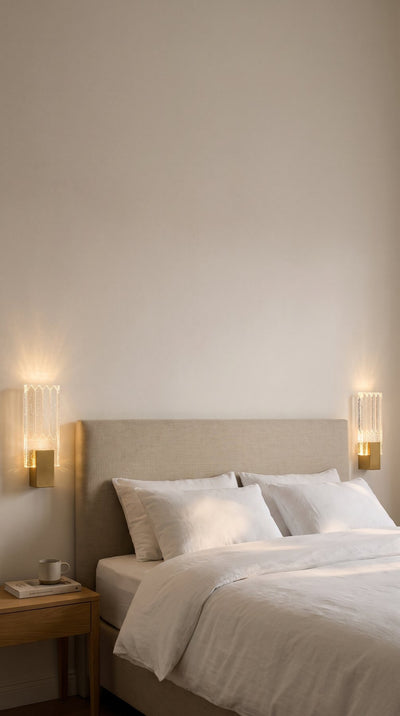
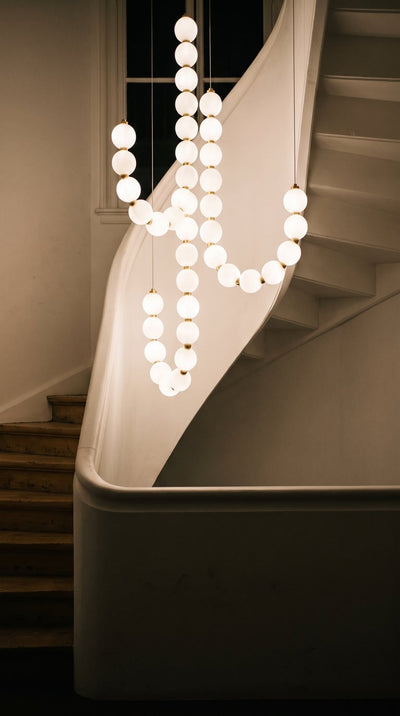
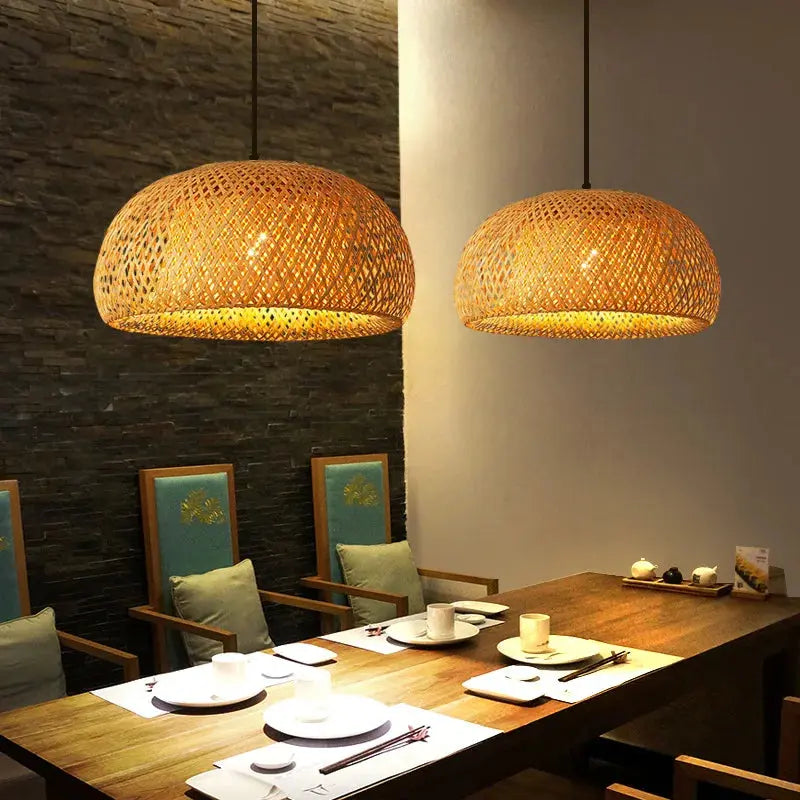
What is the difference between warm white and cool white light?
When choosing lighting , light color plays a significant role in the ambiance and functionality of a space. Warm white and cool white light are often used in different environments, depending on the desired look and purpose. In this guide, we explain the difference between warm white and cool white light and when to use each color temperature.
1. What does color temperature mean?
The color temperature of light is expressed in Kelvin (K) . The lower the number, the warmer and more yellow the light. The higher the number, the cooler and whiter the light.
- Warm white (2700K - 3000K) → Yellowish, atmospheric light.
- Neutral white (3500K - 4000K) → Bright and natural light.
- Cool white (4000K – 5000K) → Bluish, more energetic light.
2. Characteristics of warm white light (2700K - 3000K)
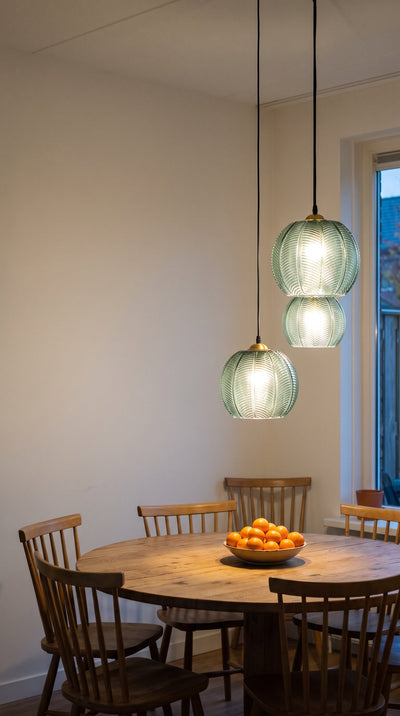
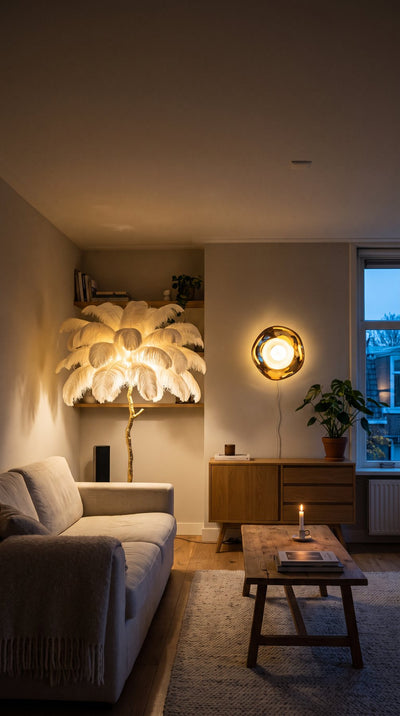
Warm white light has a cozy and relaxing feel . It's often used in rooms where comfort and ambiance are important.
✅ Benefits:
- Creates a warm, homely atmosphere.
- Ideal for relaxation and evening use.
- Gentle on the eyes and prevents fatigue.
🏡 Suitable for:
- Living rooms
- Bedrooms
- Restaurants and cafes
- Hotels and spas
3. Characteristics of cool white light (4000K - 5000K)
Cool white light has a bright, energetic appearance . It's often used in functional spaces where concentration and productivity are important.
✅ Benefits:
- Promotes alertness and focus.
- Suitable for tasks where good visibility is required.
- Gives a modern and clean look.
🏢 Suitable for:
- Offices and workspaces
- Kitchens and bathrooms
- Shops and showrooms
- Warehouses and workshops
4. When do you choose warm white or cool white light?
| Application | Best light color |
|---|---|
| Mood lighting | Warm white (2700K - 3000K) |
| Working environment | Cool white (4000K - 5000K) |
| Kitchen lighting | Neutral to cool white (3500K - 4500K) |
| Living room | Warm white (2700K - 3000K) |
| Bathroom | Cool white (4000K - 5000K) |
| Outdoor lighting | Depending on the atmosphere, often 3000K - 5000K |
5. Frequently Asked Questions (FAQ)
Which light color is the most energy efficient?
All LED lighting, regardless of color temperature, is energy efficient compared to traditional lamps.
Can I combine warm and cool white light?
Yes, for example by combining warm main lighting with cool work light in specific zones.
Is cool white light always better for workspaces?
Generally yes, but in creative or relaxing workspaces a softer, neutral light color may be more pleasant.
6. Conclusion
The choice between warm white and cool white light depends on the function and atmosphere you want to create.
- Warm white (2700K - 3000K) → Ideal for atmospheric, relaxing spaces.
- Cool white (4000K – 5000K) → Perfect for functional, productive environments.
- Neutral white (3500K - 4000K) → Suitable for kitchens and bathrooms.
By choosing the right light colour you can optimise both the appearance and functionality of a room.